

Environment, biodiversity and carbon
The purpose of this page is to explain what is included in an Environmental Impact Assessment, what an Environmental Statement is and how it is used, and our approach to Green Infrastructure, Biodiversity and Carbon.
We have considered potential environmental effects across three different parts of the scheme at Beckton, the River Thames and Thamesmead. These initial considerations will be developed further through the Environmental Impact Assessment, with detailed findings set out in the Environmental Statement submitted as part of the TWAO application.
Environmental Impact Assessment process and Environmental Statement
The proposed extension to Beckton Riverside and Thamesmead will be subject to an Environmental Impact Assessment (EIA) under the Transport and Works (Applications and Objections Procedure) (England and Wales) Rules 2006.
The EIA process ensures that the likely significant environmental effects of the proposal are identified and potential mitigation measures are properly and clearly reported in an Environmental Statement. The EIA should include all significant effects, both positive and negative. The Environmental Statement is submitted as part of the Transport and Works Act Order (TWAO) application to be considered in the decision-making process.
The EIA Scoping Request sets out the topics and assessment methods that are proposed to be included within the EIA and reported in the Environmental Statement. An Opinion will be sought from the Secretary of State for Transport prior to the submission of the TWAO application.
The Environmental Statement considers a number of relevant environmental topics including:
- Air Quality
- Biodiversity and Ecology
- Climate Change resilience
- Cultural Heritage
- Greenhouse Gas Emissions
- Ground Conditions and Contamination
- Materials and Waste
- Noise and Vibration
- Townscape and Visual Impacts
- Traffic and Transport
- Water Resources and Flood Risk
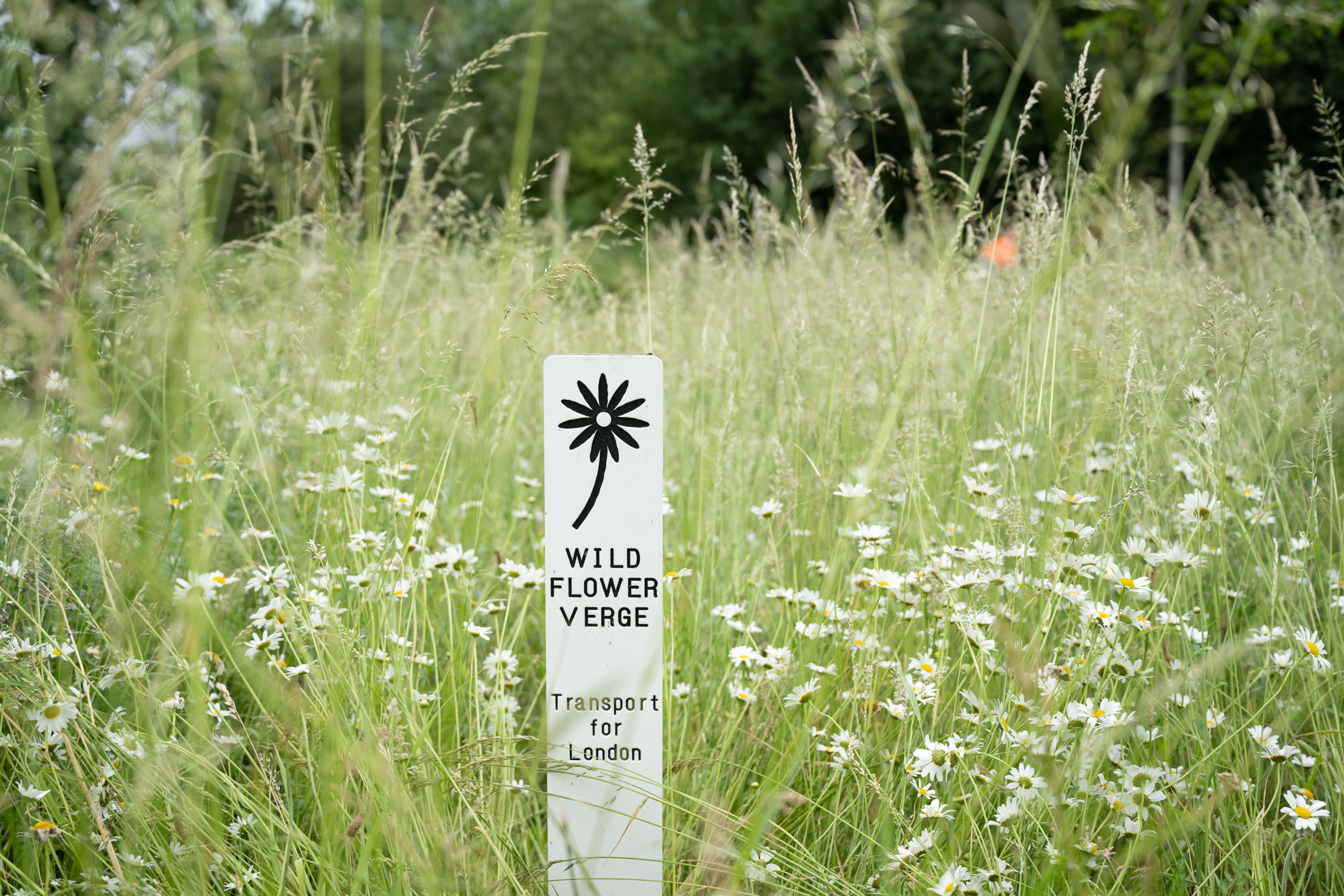 Example wild flower verge
To inform the Environmental Statement, a number of supporting documents will be produced as part of the TWAO application. These include: a Transport Assessment, Wider Economic Benefits Assessment, Biodiversity Net Gain Assessment, Sustainability Statement, Health Impact Assessment and an Equalities Impact Assessment. Other documents not listed here may also be included in the TWAO application.
We will continue to engage with key environmental stakeholders such as the Environment Agency, Natural England, Historic England, the Port of London Authority, the Marine Management Organisation and the Local Planning Authorities. This engagement will ensure that due consideration is given to the likely significant environmental effects of the project and to discuss appropriate mitigation measures. We would also like your feedback through this consultation on how our proposals might impact your local environment.
Green Infrastructure (GI) and Biodiversity Net Gain (BNG)
We are undertaking additional ecological surveys this summer to support our understanding of the local environment, habitats and species which live there. This will enable us to further develop our GI and BNG proposals for the scheme as well as supporting the EIA.
As the project progresses towards a TWAO application, the scheme will follow a custom BNG route. This is because the legal requirements which apply to projects under Town and Country Planning and Nationally Significant Infrastructure Projects are currently not applied to TWAOs.
However, in line with our own policies, we are developing our own custom strategy and are aiming to provide a net gain in biodiversity. We are continuing to develop our GI and BNG proposals for the scheme and further details on our BNG strategy will be included in our TWAO submission.
Carbon
We are committed to taking further steps to reduce our whole life carbon emissions including in the delivery phase of projects and programmes to mitigate the effects of climate change and meet TfL, Mayoral, national and international decarbonisation commitments. Research, governmental publications, examples from industry and examples from within TfL have also shown that reducing whole life Carbon reduces whole life costs, demonstrating the benefits an overt focus on Carbon can have.
We are currently undertaking Carbon assessments to help us understand the whole life carbon impacts of our proposals and associated costs. This work includes producing a Carbon and Resource Plan, DfT Carbon Management Plan and using TfL’s Whole Life Carbon Model tool to help identify “hotspots” for further design work to reduce the project’s overall impact on Carbon.
Key targets and commitments come from:
- Net Zero Carbon London 2030, Mayoral target
- Science Based Targets from the Science Based Targets initiative, aligned with the Paris Agreement
- Construction Leadership Council’s 5 Client Carbon Commitments
We are also committed to delivering projects to PAS 2080 Carbon Management and we are currently working through these requirements and how we can apply them to this project.
Consultation has concluded


