Zero Emission requirement for Private Hire Vehicles new to licensing
We are also seeking views on proposals relating to new alternative fuel conversion and exhaust abatement systems for taxis and private hire vehicles, taxi and private hire vehicle relicensing timescales and formalising the way we apply private hire vehicle age limits.
By clicking on each of the buttons below, you can read more about what is proposed and how this may impact you. You can also ask questions, give feedback, and find out about other ways to get in touch and take part.
The consultation runs until Wednesday 2 December 2026.
Introduction
This short video introduces the consultation proposals and encourages interested respondents to provide their feedback.
In 2025, we published a new Taxi and Private Hire Action Plan, developed following extensive engagement with the taxi trade and private hire industry. In it we outline our vision for London’s licensed taxi and private hire services to play a crucial role in London’s green and sustainable transport network. As part of this we state that taxis and private hire vehicles need to move to fully zero emissions vehicles to reduce carbon emissions and air pollution. Action 14, which will be partially met by this consultation, states that we will support the taxi trade and private hire industry to continue to reduce tailpipe emissions by:
Consulting with the taxi trade and private hire industry in 2025/26 on a proposal to introduce a zero-emissions (at the tailpipe) licensing requirement for taxi and private hire vehicles in the future.

While this consultation focuses on private hire vehicles, we continue to consider proposals for a zero emission requirement for London taxis in the future. However, there are additional proposals in this consultation that are relevant to the taxi trade. The introduction of a zero-emissions (at the tailpipe) licensing requirement will represent a tightening of the current zero-emissions capable licensing requirement, which we consulted on in 2015 and introduced in 2020 for private hire vehicles new to licensing under 18 months old and 2023 for all private hire vehicles new to licensing. It aligns with proposal 4.2.1c of the London Environment Strategy which states that we will reduce emissions in the taxi and private hire fleet by switching to zero emission technologies.
Vehicles which meet our current zero emissions capable licensing requirements are plug-in hybrid electric vehicles, which have both a combustion engine and a battery that is recharged by plugging it into an external power supply, and fully electric vehicles powered entirely by a battery, which are classed as zero-emissions (from tailpipe) vehicles.
This action is driven by London’s pressing environmental challenges, notably air pollution and climate change. Air pollution has severe health impacts - from affecting infant development to worsening dementia - and is estimated to have contributed to up to 5,100 premature deaths in London in 2024. The World Health Organization (WHO) recognises air pollution as the biggest environmental threat to human health on par with other global health risks like smoking and unhealthy diets. The main air pollutants of concern from road transport are nitrogen oxides (NOX), which include nitrogen dioxide (NO2) and nitric oxide (NO), and particulate matter (PM). This is why the Mayor has a bold ambition to meet WHO health-based Air Quality Guideline levels as soon as possible and the latest WHO interim target for PM2.5 of 10 µg/m³ by 2030.
Climate change is driven mainly by fossil fuel combustion resulting in greenhouse gas emissions. This presents escalating risks – including extreme weather, rising sea levels and biodiversity loss. The Mayor has an ambition for London to become a net zero carbon city by 2030, 20 years ahead of the UK’s national target.
Our proposals
To address air quality and carbon emissions from London’s private hire vehicles, our proposals are to tighten our emissions-based licensing requirements so that:
- From 3 July 2028 - more than five years after we introduced the plug-in hybrid electric vehicle requirement - all private hire vehicles, except for TfL designated wheelchair accessible private hire vehicles, presented for licensing in London for the first time will need to be fully electric vehicles
- From 1 July 2030, all TfL designated wheelchair accessible private hire vehicles new to licensing in London will need to be fully electric vehicles
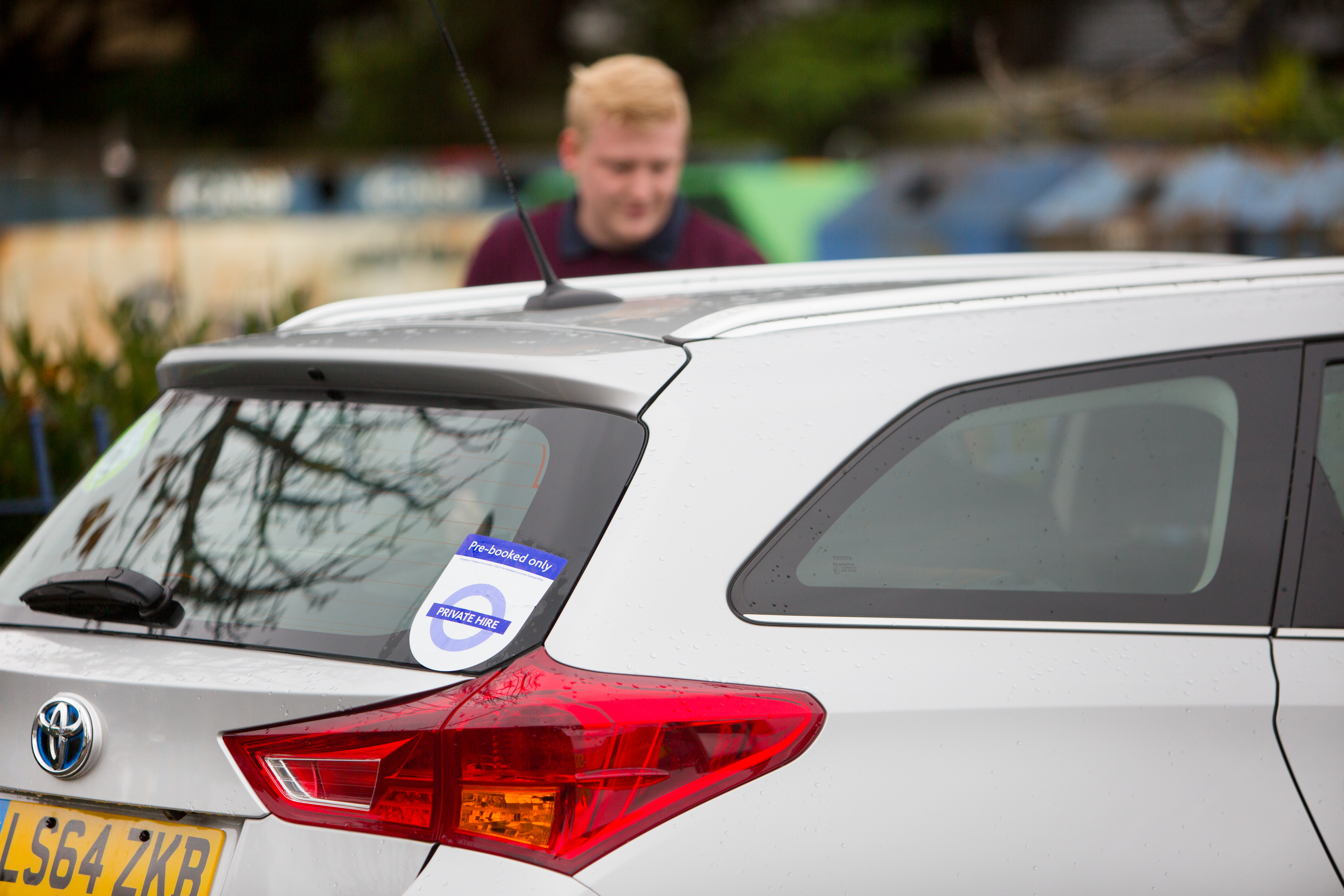
These timelines provide a substantial lead‑in following the staged introduction of the plug-in hybrid electric vehicle requirement for private hire vehicles between 2020 and 2023 and represent an essential step in the transition away from combustion‑engine vehicles in the licensed fleet.
Private hire vehicles meeting the fully electric vehicle licensing requirement would be subject to a 10-year age limit as per the current age limit for private hire vehicles. Wheelchair accessible vehicles are defined in section 4.5 of our Taxi and Private Hire Vehicle Policy.
From 1 March 2027, we propose that:
- We will no longer accept applications for new alternative fuel conversion systems for vehicles, such as Liquefied Petroleum Gas (LPG) and Compressed Natural Gas (CNG), and new exhaust abatement systems
- We reduce the maximum length of time permitted between a taxi or private hire vehicle licence expiring and a new licence commencing from 24 months to 12 months
- No private hire vehicle would remain licensed beyond the date the vehicle reaches 10 years old
Currently we permit licensed taxi and private hire vehicles to convert to using alternative fuels or be retrofitted with exhaust abatement systems to meet Euro 6 emissions standards. Licensed taxi and private hire vehicles can only be fitted with conversion or retrofit system approved by us. From 1 March 2027, we propose that we will no longer approve applications for new alternative fuel conversions or exhaust abatement systems for taxi or private hire vehicles. We acknowledge the investment made by system providers and vehicle owners who have already installed approved technologies. As such, vehicles fitted with previously approved systems will continue to be licensed until they reach their applicable age limit subject to continued compliance with the conditions of approval and licensing requirements. Existing system approvals will remain valid and available to vehicle owners.

Currently, as stated in our Vehicle Inspection Manual and outlined in TPH Notice 9/11, the maximum gap between a taxi or private hire vehicle licence expiring and a new licence commencing is 24 months. This will only be allowed in exceptional circumstances and where the delay was due to circumstances outside the vehicle owner’s control, otherwise the licence application will be treated as a ‘new’ application rather than a ‘renewal’ application. From 1 March 2027, we propose to reduce the 24 month period to 12 months.
The Private Hire Vehicle regulations applying to London licensed private hire vehicles mandates that private hire vehicles shall not be over the age of 10 years as calculated from the date on which the vehicle was first registered under the Vehicle and Excise Registration Act 1994. In practice, this means that a private hire vehicle can remain licensed up to the day before it is 11 years old, reflecting the fact that licences may be granted or renewed for a period of up to 12 months provided the vehicle is not over 10 years old at the point of grant. We propose that from 1 March 2027, private hire vehicles should no longer be eligible for licensing once they reach 10 years of age. This would bring private hire vehicles into line with the approach taken with taxi age limits. Existing exemptions to the 10 year age limit would remain in place.
Our rationale
Road transport is one of the main sources of air pollution and carbon emissions. In 2022, road transport accounted for 41% of nitrogen oxides (NOX) emissions, 30% of PM2.5 and 28% of carbon dioxide (CO2) emissions in London. Private hire vehicles, with their frequent journeys and high mileage, have an important role to play in reducing road transport emissions, particularly in central London where they account for a larger proportion of traffic and air pollution levels are typically higher. On average, a private hire vehicle travels around 30,500km per year - far exceeding the average annual mileage of a car in London, at just 10,600km.
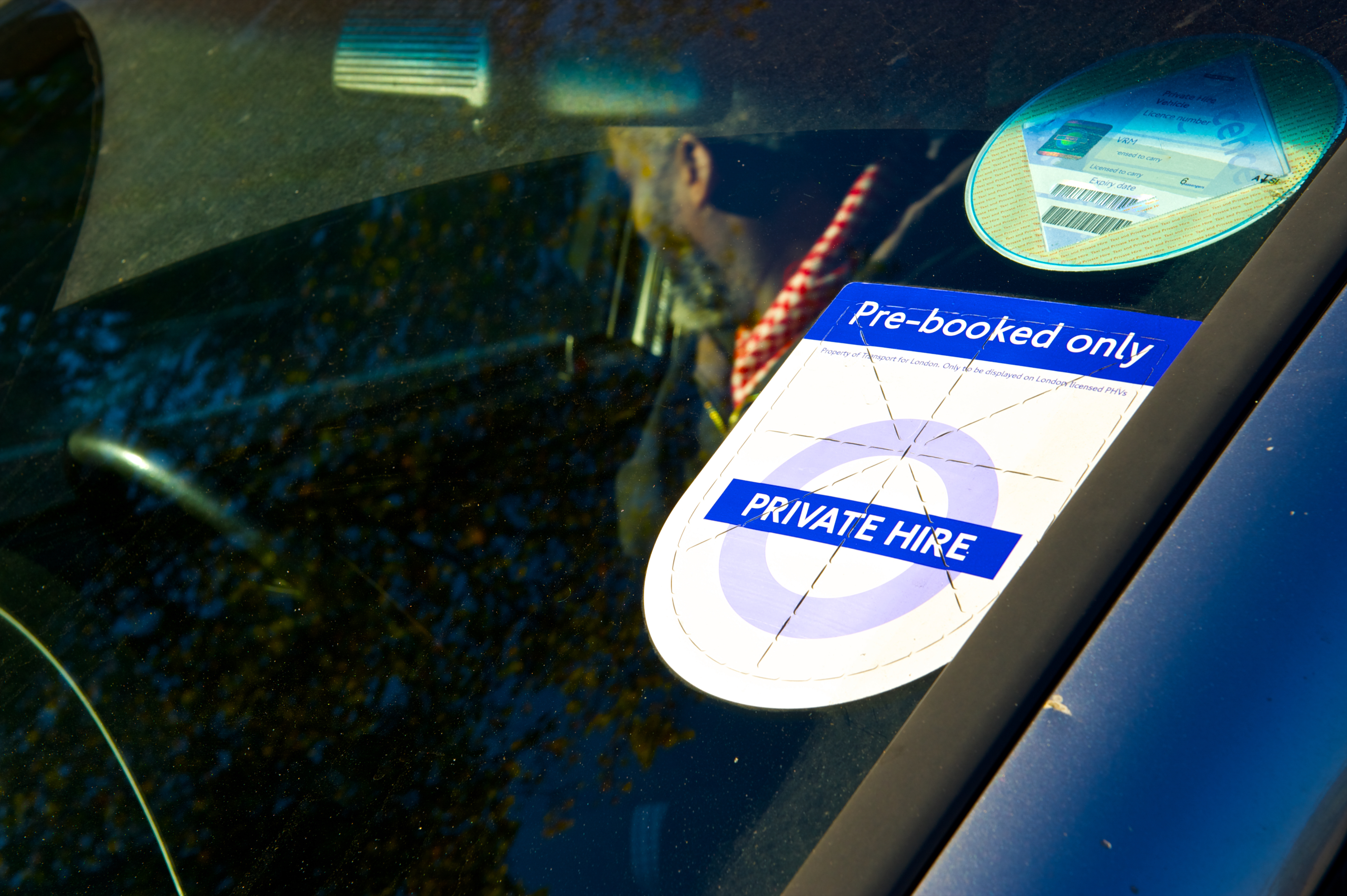
To reduce road transport emissions, it is essential that action is taken to accelerate the transition to fully electric vehicles, which produce no air pollution or carbon emissions from the tailpipe.
Although almost 70% of private hire vehicles are either fully electric vehicles or plug-in hybrids electric vehicles, plug-in hybrid electric vehicles still have combustion engines that produce carbon and air pollution emissions contributing to climate change and have a negative impact on public health.
There is also substantial evidence that their real-world emissions are much higher than their official registered emissions due to factors including driving in electric mode for much fewer miles than in regulatory test conditions. This is why we are proposing to introduce a vehicle licensing requirement for newly licensed private hire vehicles to be fully electric vehicles.
Our evidence from introducing the existing emissions-based licensing requirement shows us that introducing this type of requirement is an effective way to accelerate the transition of private hire vehicles to cleaner vehicles by mandating the licensing of these vehicles beyond a certain date. This needs to be done alongside addressing the barriers to fully electric vehicle uptake, such as the provision of sufficient on-street charging points, to be most effective.
Rationale for ceasing approval of new alternative fuel conversion and exhaust abatement systems
In the context of our eventual commitment to achieving a zero emissions (from tailpipe) taxi and private hire fleet, extending the operational life of older, higher emissions vehicles through the approval of new alternative fuel conversions or exhaust abatement systems is no longer appropriate. It delays the transition to cleaner fully electric or plug-in hybrid electric vehicles. Existing systems approved by us will remain in place and vehicles already fitted with systems approved by us will be unaffected by the proposed change.
This approach balances fairness for existing operators, vehicle owners, and system providers while ensuring that future licensing requirements are fully aligned with our commitment and the Mayor’s ambition for London to be a net zero carbon city by 2030.
Rationale for reducing the maximum length of time permitted between a vehicle licence expiring and a new licence commencing from 24 months to 12 months
Retaining a long but reduced period for applying to renew a taxi or private hire vehicle license provides flexibility where delays are unavoidable (such as due to ill health) while ensuring that vehicles returning to service have not been out of the licensing regime for an extended time, which helps maintain safety, accelerates environmental benefits and promotes fairness.
Rationale for no longer allowing private hire vehicles to be licensed beyond the date the vehicle reaches 10 years old
The proposed change would bring private hire vehicles into line with the approach taken with determining taxi maximum age and is expected to have an environmental benefit by resulting in private hire vehicles switching to fully electric vehicles sooner.
Proposed implementation dates
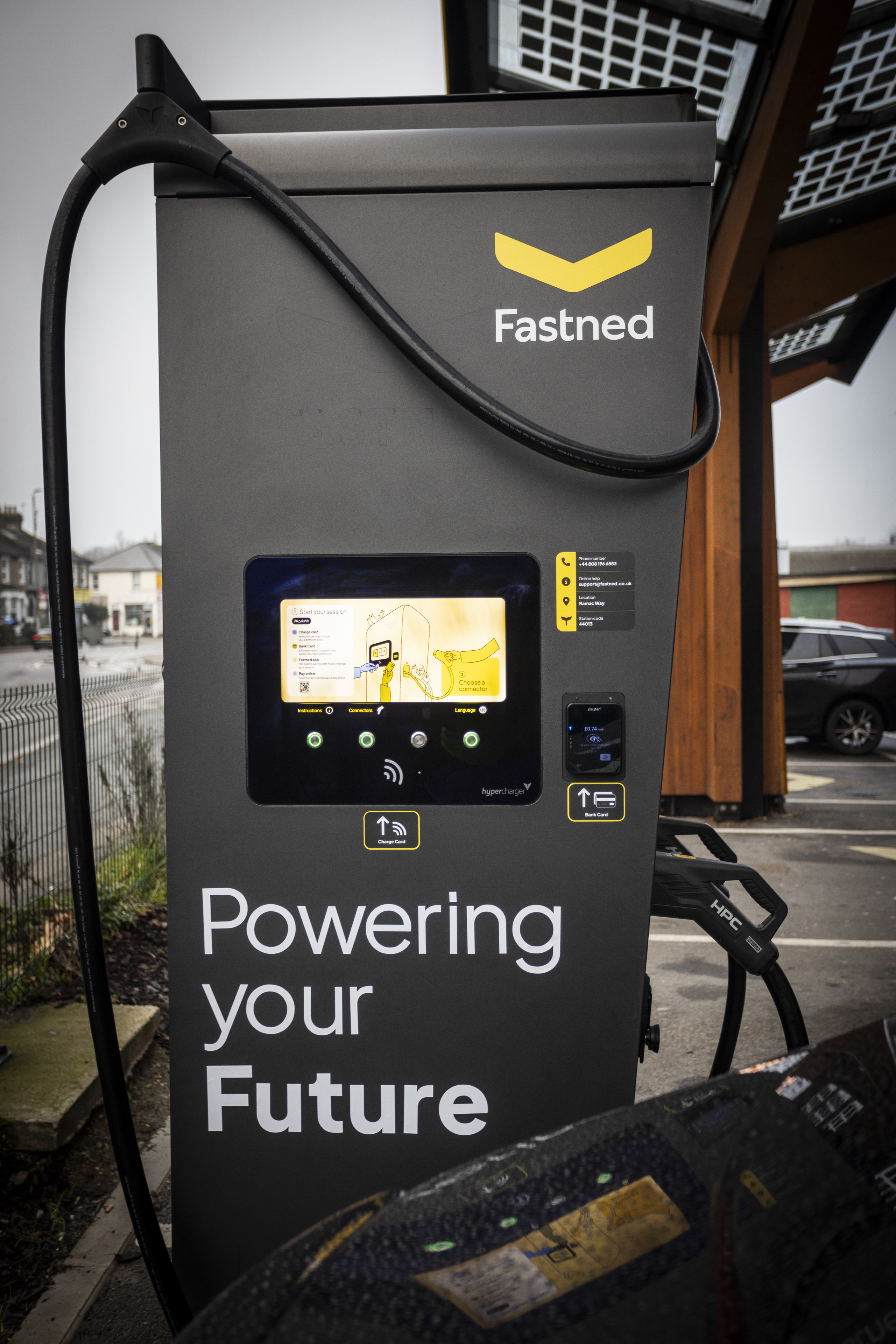 Currently over a third of licensed private hire vehicles in London are fully electric and in the past 12 months, 39% of private hire vehicles new to licensing were fully electric. The proportion of fully electric private hire vehicles has increased in recent years with the growth being helped by existing policies and measures in London, a large increase in on-street electric vehicle charging infrastructure and some private hire vehicle operators making their own commitments to switching to electric vehicles. National policies, funding and regulation have also helped drive this forward, which in turn has helped ensure an increasing number and range of fully electric vehicles available to purchase.
Data from the Society of Motor Manufacturers and Traders (SMMT) in September 2026 showed that there are now 170 fully electric vehicle options for people to purchase (two in five of all vehicle models available), up from just over 130 in May 2025, 80 in May 2023 and just 21 in 2018. As a result, there is a very good range of cars across a variety of price points for private hire vehicle drivers to purchase or lease.
This number and range are expected to grow because of the government’s Zero Emission Vehicle Mandate, which legally requires car manufacturers to sell a rising percentage of fully electric vehicles each year, with the goal of achieving 100% of new car and van sales being zero-emission by 2035. In addition, the government will ban the sale of new petrol and diesel cars from 2030, with all new vehicles sold by 2035 needing to be fully electric vehicles.
With the significant proportion of private hire vehicles that are already fully electric vehicles, the range of vehicles available and the fast growth in on-street charging infrastructure, we are proposing that a suitable date to introduce the fully electric vehicle licensing requirement for private hire vehicles is 3 July 2028. This would apply to private hire vehicles new to licensing.
We are proposing a later date of 1 July 2030 for TfL designated wheelchair accessible private hire vehicles. This is because the range of electric wheelchair accessible vehicles and availability of them to purchase is much lower. Many wheelchair accessible vehicles are standard passenger cars converted to carry wheelchairs. This process is complicated and there is often a long lead time to produce these conversions once a new car model is released for sale.
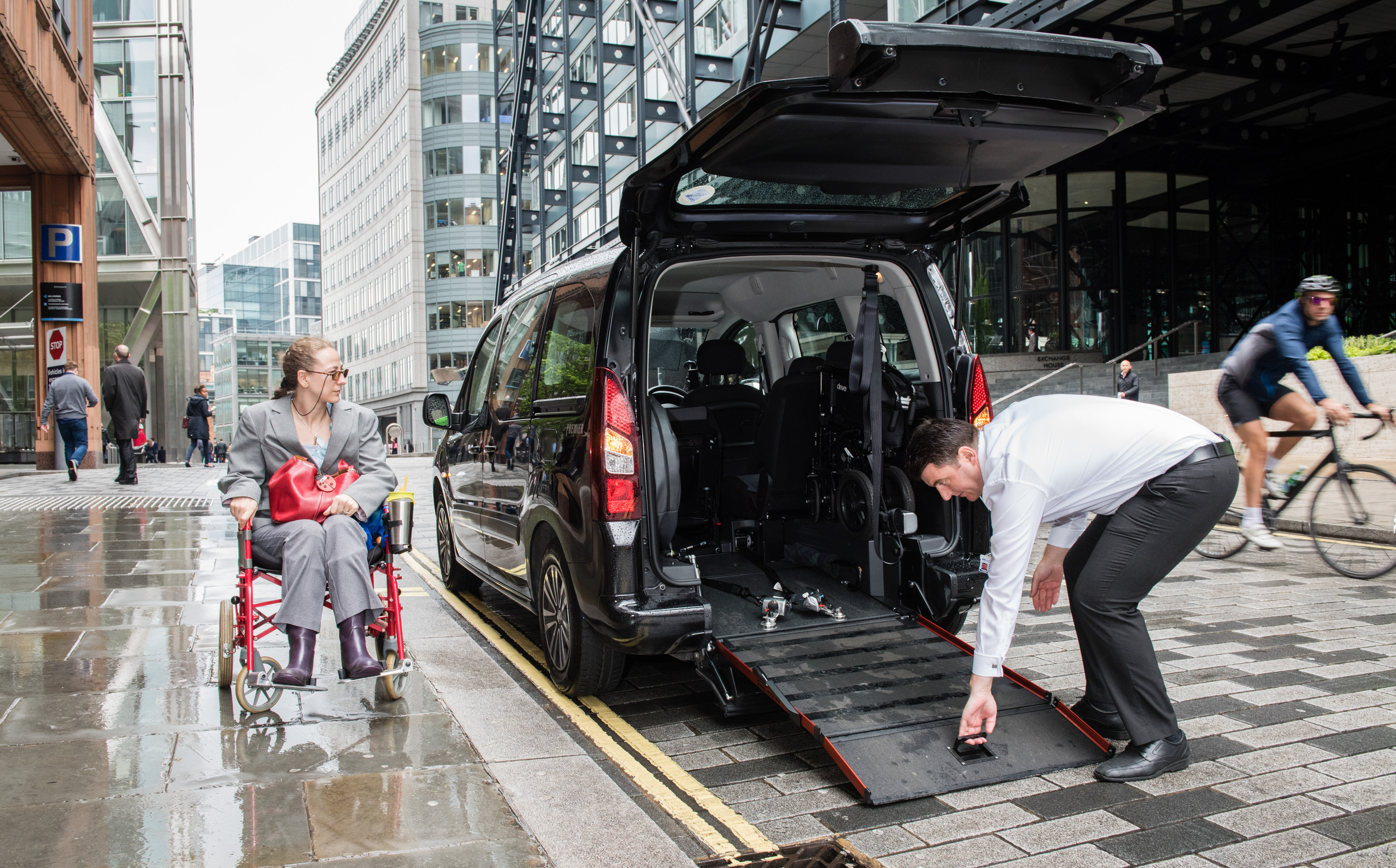 As the proportion of licensed private hire vehicles that are wheelchair accessible vehicles is already very low (0.4% of the London licensed fleet) we do not want our emissions-based licensing requirements to reduce the availability of these vehicles further as they are an important mode of transport for those who use wheelchairs especially where taxis are unavailable. However, we do expect more electric wheelchair accessible vehicles to become available in line with the growing availability of fully electric vehicles, which can then be converted to wheelchair accessible vehicles. This is why we are proposing a later date for the introduction of the fully electric vehicle licensing requirement for these vehicles.
Questions?
You can use our question tool during the consultation period. We will respond to your questions as soon as we can.
You can also contact us by email, via our telephone call back service (020 3054 6037) or in writing (FREEPOST TFL HAVE YOUR SAY).
More information
Further details about our proposals are detailed in the Supplementary Information document.
The proposals will have impacts on taxi and private hire vehicle drivers, private hire vehicle operators, fleet owners, customers and other road users. The Supplementary Information document provides a summary of the impacts identified in the Integrated Impact Assessment (IIA) draft document which forms part of the available consultation materials. Following consultation, responses received will be reviewed and the IIA revisited to ensure that any further impacts identified are assessed where necessary.
The objective of the IIA is to understand the impacts of proposals, both positive and negative, of the following assessment areas 1) London’s environment, 2) London’s economy, 3) People (Health and Equality).
We have provided more information to help you respond:
Accessible information
We want to make sure everyone can take part in our consultations. To help make it accessible to everyone we have provided our consultation information in the following formats:
 British Sign Language
 Easy Read
 Audio files
Translation
You can also translate the information on this page into another language by using the ‘Select language’ button at the bottom of the page.
British Sign Language
To further enhance how we consult with London's deaf community have provided a British Sign Language (BSL) video of our proposals:
BSL video of our proposals
We are delighted to enable British Sign Language users to contact us using a British Sign Language video interpreter, via the Interpreters Live service, provided by Sign Solutions. Please click the image below to connect now:

Easy Read
Audio files
Tell us your views
You can reply by completing our survey, which should take no more than 10 minutes to complete or if you are short on time, you can submit a quick response.
 |  |
The closing date for comments is Wednesday 2 December 2026.
Return to the top of the pageNext steps
These proposals are subject to consultation. Once the consultation ends on Wednesday 2 December 2026 we will spend time considering all the responses we have received and will prepare a consultation report.
The report will be published to our consultation webpage and made available to everyone. In addition, we will write to all those who take part in the consultation to share the report upon publication.
Return to the top of the page