Licensing salvage vehicles
To make travelling in taxi and private hire vehicles safer, we are proposing to no longer allow salvage vehicles in the licensed fleet.
We also propose to change the application process for all vehicles, regarding what is accepted for proof of ownership and where we have concerns over a vehicle’s condition or history we may request a vehicle history check.
Use the following buttons to find out more about our proposals, view maps and images, access Easy Read and BSL information and have your say.
You have until Sunday 13 September 2026 to give us your feedback.
Proposal
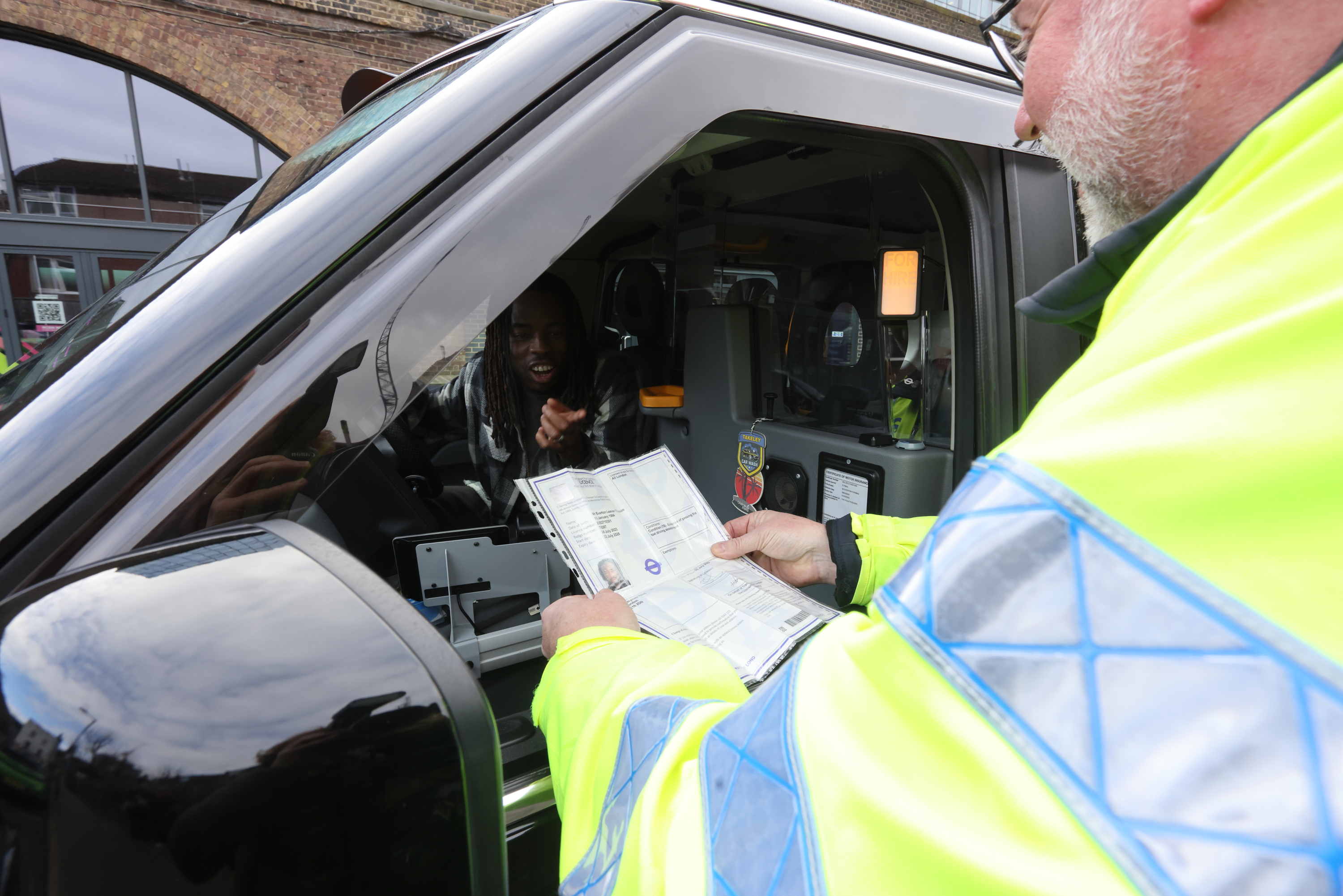 In our Taxi and Private Hire Action Plan 2025, we state that we would review whether to stop licensing salvage vehicles for taxis and private hire in London.
Our vision for London’s licensed taxi and private hire services is for them to play a crucial role in London’s green and sustainable transport network and Vision Zero ambitions. As part of this, we state that every driver, passenger and road user should feel safe, and be safe, when travelling in London.
To help us improve driver, passenger and other road users’ safety, we are proposing to stop licensing taxi and private hire vehicles that have ever been recorded as salvage. The aim is to have no salvage vehicles operating in our licensed fleet.
We are proposing to make this change in autumn 2026, depending on the outcome of this consultation. This would help ensure that only structurally sound, safe vehicles are operating across London.
We are also proposing to change what is accepted for proof of ownership for all vehicles, to only accept the full V5C (logbook) document. Vehicles would not pass their licensing inspection without it. This affects all vehicles, regardless of whether they are salvage or not. Where changes to a V5C are completed online, the typical turnaround time for a registered keeper to receive a replacement document is approximately 5 to 7 days. However, not all changes can be processed online. Certain amendments, particularly those requiring supporting documentation, for example, a change of registration number, or change of vehicle colour must be submitted to the DVLA by post. In these cases, the V5C may take longer to be issued, with processing times of up to 4 weeks. In some cases therefore, this requirement may lead to a delay in a vehicle owner being able to license their vehicle with us if they have not sent off for it in advance.
We would no longer accept the following documents:
- V62 application
- Online transfer confirmation
- V5 change of ownership slip (V5C/2 green slip)
This change would not apply for vehicles purchased new from the manufacturer.
We are not proposing to change the licence process for new vehicles entering the trade and will continue to accept confirmation from the Register a Vehicle (RaV) service.
For fleet owners who opt into the DVLA V5C on demand service and suppress their paper V5C documents, we will continue to accept DVLA View Vehicle Record (VVR) confirmation as evidence.
We will continue to, in cases where we have concerns about a vehicle’s structural strength, request the vehicle owner to supply a vehicle history check (VHC) report. This will help us confirm that it has not previously been recorded as salvage.
What is a salvage vehicle?
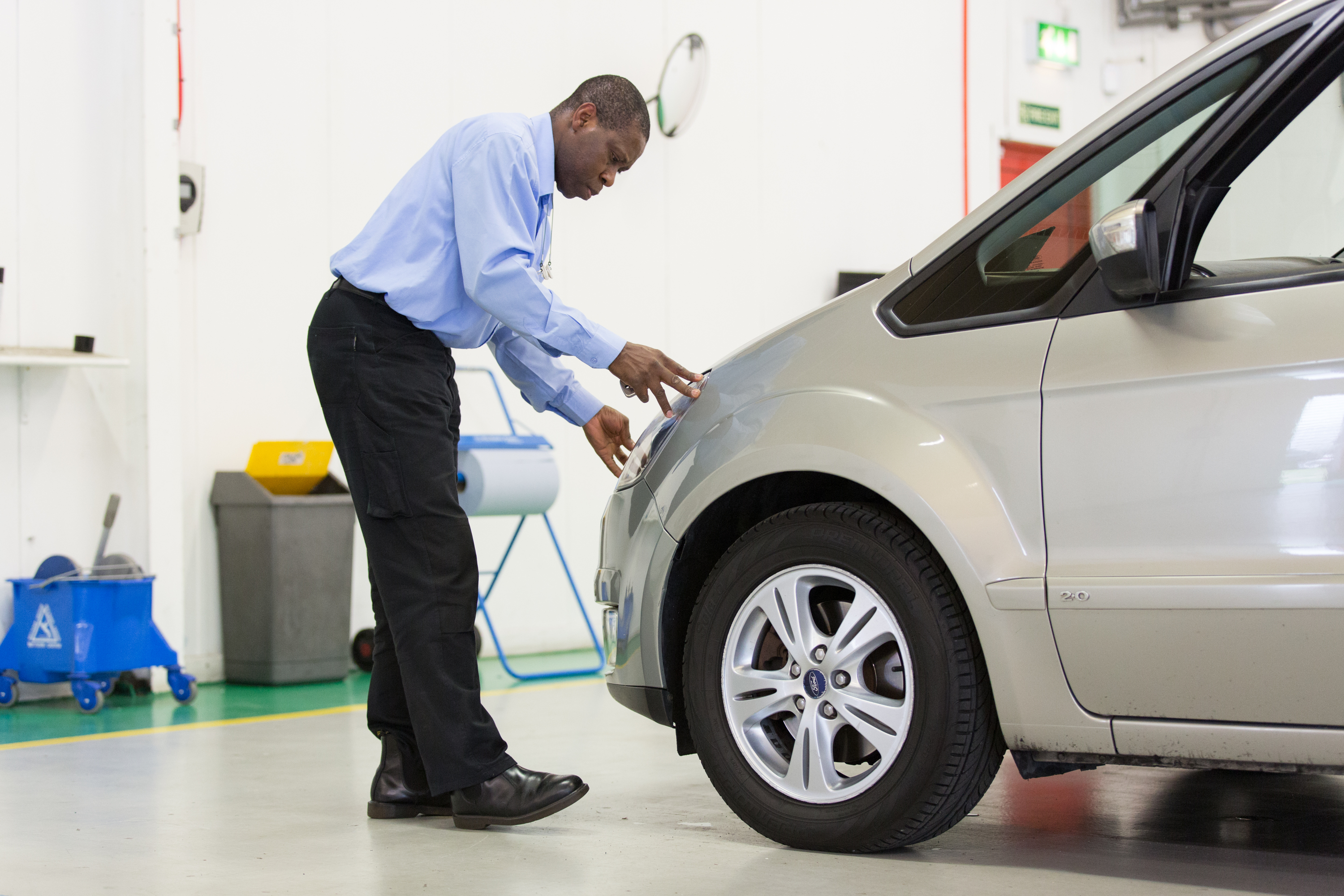 A salvage vehicle is one that has been damaged and assessed by an insurance engineer following an inspection of the vehicle in its damaged condition, who decides the damage is so severe, or the cost of repairs so high, that it is not worth fixing. The vehicle is then officially recorded as “written off” or “salvaged.”
Once the vehicle is “written off” or “salvaged,” it is given a category to show the level of damage.
Insurance salvage categories
- Category A – Scrap only – Vehicle with so much damage that it must be destroyed; no parts may be used in the second-hand parts market
- Category B – Break for parts – Vehicle which have been so badly damaged that it cannot be repaired and returned to the road. The main structure must be crushed, although some parts may be reused and sold as second-hand parts
- Category S – Vehicle has sustained structural damage. This could include damage to the vehicle chassis or a crumple zone that has collapsed due to the impact
- Category N – Vehicle that has sustained damage but not to the structural frame of the vehicle. However, the damage may still affect crucial safety elements of the vehicle, such as brakes, steering, air bags or other safety related parts
Of the four categories of ‘Salvage vehicles’, two categories (N and S) can be driven on the public highway after the incident provided the necessary steps are carried out.
Key differences at a glance
Cat S is more serious, affecting structural components like crumple zones, suspension mounts, or the chassis. Cat N does not affect the structure of the vehicle but can still impact critical safety elements like steering, braking system or air bags.
Reason
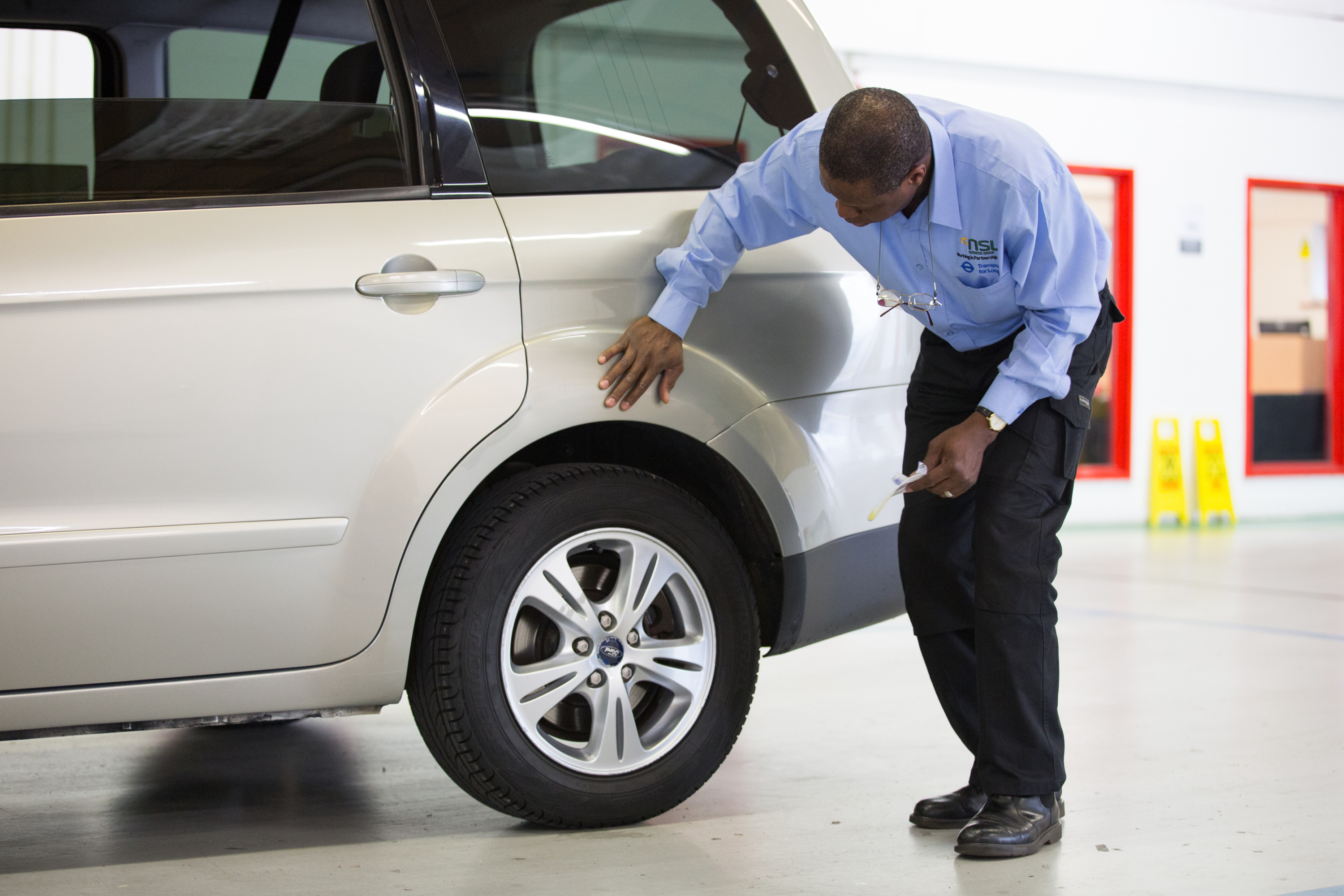 Damage to a vehicle might look to be only cosmetic on the outside but there could be much more serious structural damage underneath.
There have been cases where taxis and private hire vehicles looked roadworthy but detailed checks later showed they had serious structural damage that had not been fixed correctly. It is very hard to check a repair afterwards because the important joins are hidden inside the vehicle. This means we must ask for the repair to be taken apart to see underneath. The result of this is the repair must be done again, which is costly for the vehicle owner and also risks weakening the vehicle in the process. It is therefore not an effective way of ensuring that vehicles have been repaired correctly.
If a structurally unsafe vehicle is involved in an incident, the risks to the driver, passengers, and other road users could be serious.
Vehicle structure
A vehicle’s strength comes from the materials used and how all the parts are joined together. Repairs must follow the manufacturer’s instructions exactly to keep the vehicle safe.
Some materials need special bonding or welding, done under strict conditions. If repairs are done wrong, or parts are joined in the wrong place, the vehicle can become unsafe.
For both electric and hybrid cars, it is also difficult to check if the battery has been damaged after an incident. Even a small amount of damage can cause hidden problems, and current tools may not detect issues inside the battery.
Current position
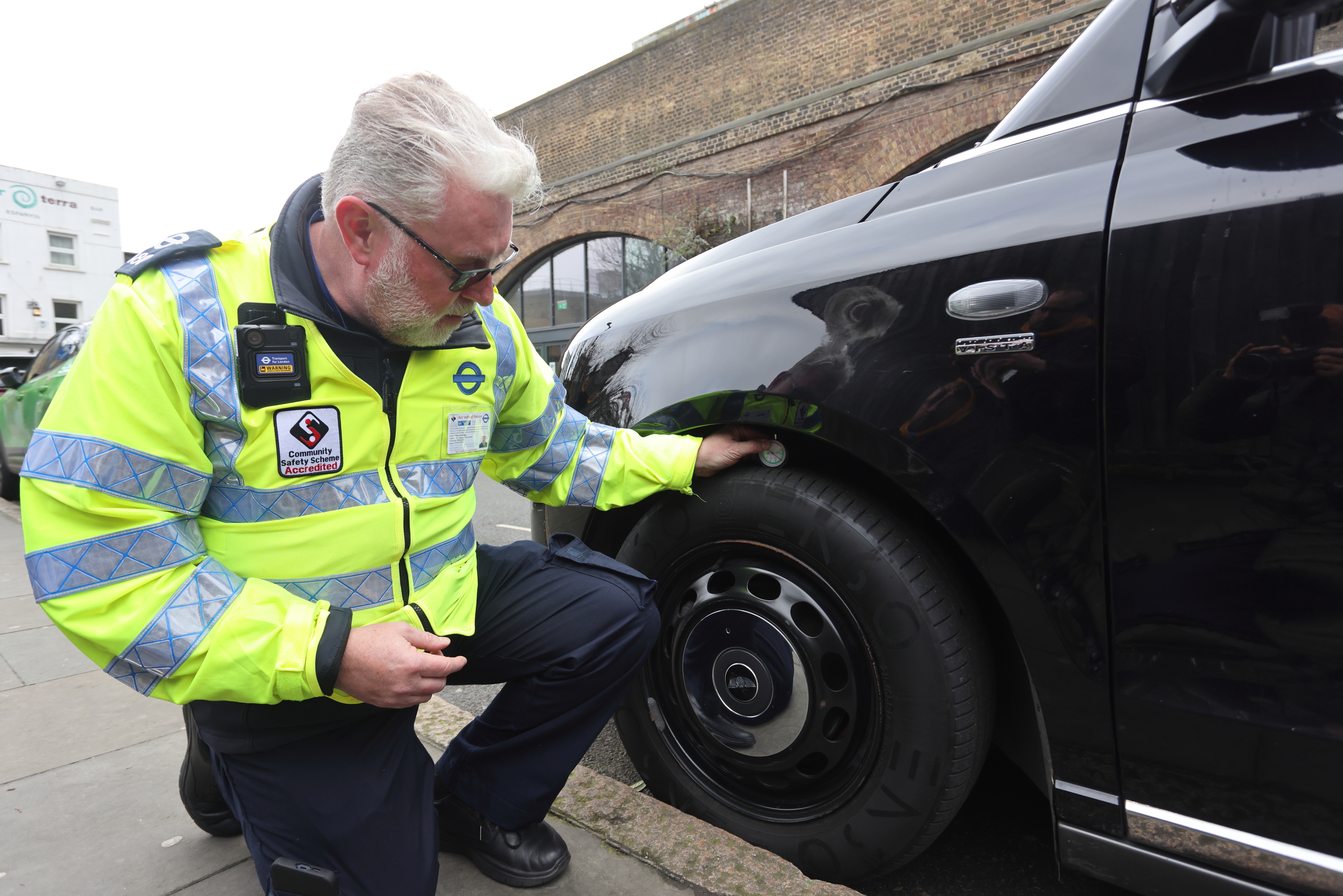 Despite how complex and safety‑critical this work is, there is no legal requirement in the UK to hold a licence to work on motor vehicles. The current system means that, while high‑voltage systems in electric and hybrid vehicles can be extremely dangerous, and potentially fatal, there is no single, government‑approved qualification required for vehicle technicians, unlike in areas such as gas or electrical work where Gas Safe Register ID and EIC certification is required to be held by the engineer. As a result, industry experts acknowledge that the industry relies heavily on self‑regulation, with no oversight.
Repairs to high-voltage systems in electric vehicles (EVs) and plug in hybrid electric vehicles (PHEVs) fall under the Electricity at Work Regulations 1989. This means anyone working on live high‑voltage systems must be competent and have the right knowledge.
While this suggests that untrained people should not work on EV batteries, there is no standard, government issued licence for mechanics to enforce this requirement. Instead, it relies on industry best practice, such as qualifications from the Institute of the Motor Industry (IMI), including Level 2 or 3 EV accreditations.
While manufacturers usually require their dealer technicians to be certified, there is no legal requirement for independent repairers, who carry out a large share of vehicle repairs, to hold specific qualifications. Organisations such as Institute of the Motoring Industry (IMI) and Institute of Road Transport Engineers (IRTE) are available to provide accredited training courses to garages, but this training is not mandated by regulation and purely voluntary.
These proposals ensure the taxi and private hire vehicle (PHV) fleet is as safe as possible and that the safety standards the public should rightly expect are routinely met. They form part of Transport for London’s Taxi and Private Hire Action Plan 2025 and support the wider Vision Zero ambition to eliminate deaths and serious injuries on London’s roads.
The Mayor’s Transport Strategy (MTS) recognises the important role taxis play in the capital’s transport network. Policy 20 of the MTS states that "The Mayor, through TfL and the boroughs, and working with stakeholders, will seek to ensure London has a safe, secure, accessible, world-class taxi and private hire service with the opportunity for all providers to flourish.”
Impacts
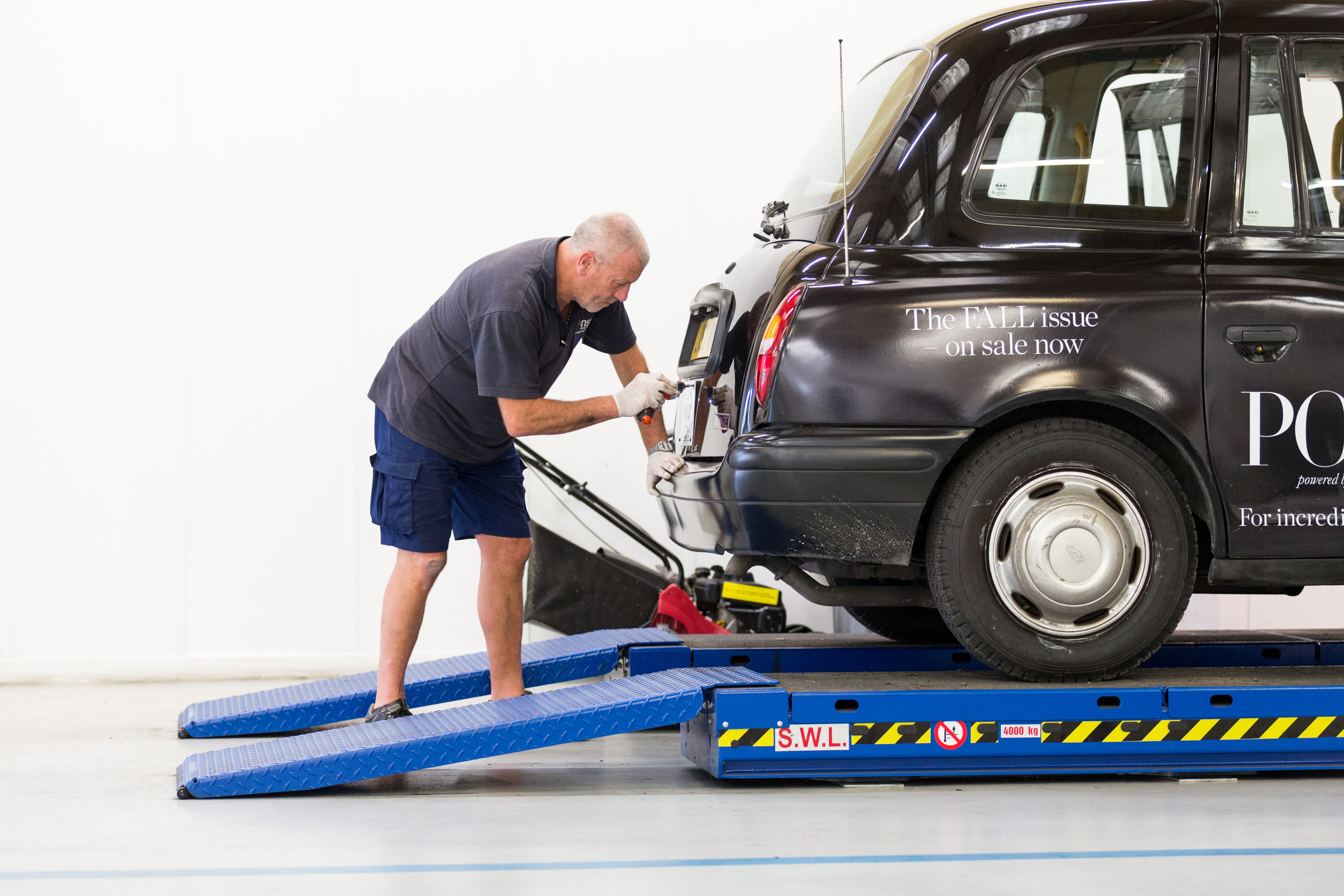 There are around 107,000 vehicles in the taxi and PHV fleet operating across London. Just over 3% of these vehicles have been identified as salvage and are impacted by these proposals: there are 35 taxis and 3,520 PHVs (March 2026). Potentially, there could be more vehicles operating that we do not know about.
We are considering how long we should keep salvage vehicles that we know of in our fleet. Your views on this are welcome.
If you are thinking of purchasing a salvage vehicle for use in the fleet, we are proposing from autumn 2026 we would not issue any new licences for such vehicles.
The aim of the proposals is to have no salvage vehicles in the fleet. We would like to know your views on how quickly we should aim to achieve this.
These proposals ensure the taxi and PHV fleet is as safe as possible and that the safety standards the public should rightly expect are routinely met. They form part of Transport for London’s Taxi and Private Hire Action Plan 2025 and supports the wider Vision Zero ambition to eliminate deaths and serious injuries on London’s roads.
Accessible information
We want to make sure everyone can take part in our consultations. To help make it accessible to everyone we have provided our consultation information in the following formats:
 British Sign Language
 Easy Read
 Audio files
Translation
You can also translate the information on this page into another language by using the ‘Select language’ button at the bottom of the page
British Sign Language
To further enhance how we consult with London's deaf community have provided a British Sign Language (BSL) video of our proposals and survey:
BSL video of our proposals
Easy Read
Audio files
Tell us your views
You can reply by completing our survey, which should take no more than 10 minutes to complete or if you are short on time, you can submit a quick response.
 |  |
The closing date for comments is Sunday 13 September 2026.
Return to the top of the pageQuestions?
You can use our question tool during the consultation period. We will respond to your questions as soon as we can.
You can also contact us by email, via our telephone call back service (020 3054 6037) or in writing (FREEPOST TFL HAVE YOUR SAY)
Return to the top of the pageNext steps
After the consultation ends, we’ll consider all the responses we receive and prepare a consultation report.
The report will be published on our website later this year.
Return to the top of the pageAsk us a question
If you have any questions about the scheme, you can ask us here and we will get back to you.
Please note that any questions you ask may be visible to others and will be subject to moderation. Any personal information will be kept confidential but your user name will be displayed. Further details on moderation are available here and privacy here.