Taxi fares review 2026
We review taxi (black cab) fares every year.
By clicking on the buttons below you can find detailed information about our proposals, supporting documents and how you can provide your feedback or ask questions. To submit a response, please click the button ‘Tell us your views’.
The consultation will close on Sunday 22 November 2026.
Why?
We normally review taxi fares and tariffs annually and aim to implement changes in April of each year. Details of the current tariffs are available on our website.
This short video explains why we review fares and the structure and content of this website.
Why is TfL reviewing taxi fares and tariffs?
The Cost Index, which is used to track changes to taxi drivers’ operating costs and average national earnings, shows that taxi drivers’ operating costs and average national earnings have increased.
We need to ensure that:
- Taxi drivers can cover their operating costs and are fairly compensated for their work
- Taxi driving remains a viable career to encourage licensed drivers to remain in the trade and to encourage new applicants
We have prepared two supporting factsheets which expand on or support the information contained on this page. These are:
To tell us your views, please click the button ‘Tell us your views’ at the top of the page.
Taxi fares & tariffs

The following information summarises our proposals for changes to taxi fares and tariffs.
We use a ‘Cost Index’ to track changes to taxi drivers’ operating costs and average national earnings. Taxi drivers’ operating costs and average national earnings have increased and the Cost Index figure is currently +7.07 per cent.
For this year’s consultation there are four options:
Option A
- Use the total Cost Index figure of +7.07%
- Freeze the minimum fare
- Increase average fares during Tariffs 1, 2 and 3 by 7.07%
- Make the Tariff 4 rates the same as the new Tariff 2 rates
Option B
- Use the total Cost Index figure of +7.07%
- Split the increase across the minimum fare and tariffs
- Increase the minimum fare by 20 pence (4.55%) from £4.40 to £4.60
- Increase average fares during Tariffs 1, 2 and 3 by 5.97%
- Make the Tariff 4 rates the same as the new Tariff 2 rates
Option C
- Use the total Cost Index figure of +7.07%
- Split the increase across the minimum fare and tariffs
- Increase the minimum fare by 40 pence (9.09%) from £4.40 to £4.80
- Increase average fares during Tariffs 1, 2 and 3 by 4.87%
- Make the Tariff 4 rates the same as the new Tariff 2 rates
Option D
- Make no changes to fares or tariffs
- The minimum fare would remain at £4.40
- There would be no change to Tariffs 1, 2, 3 and 4
- Tariff 4 would continue to be the same as Tariff 2
We are also proposing to:
- Remove the booked taxi extra
- Specify when the taximeter must be started and stopped for booked taxi journeys
- Change the fares for longer taxi journeys
We’ve explained these proposals in summary in this section.
We have prepared supporting factsheets which expand on or support the information contained on this page. These are:
- How taxi fares are calculated
- The Cost Index
- Taxi passengers and drivers’ views on fares and tariffs factsheet
- Taxi fares and tariffs expanded factsheet
To tell us your views, please click the button ‘Tell us your views’ at the top of this page.
London City & Heathrow Airports
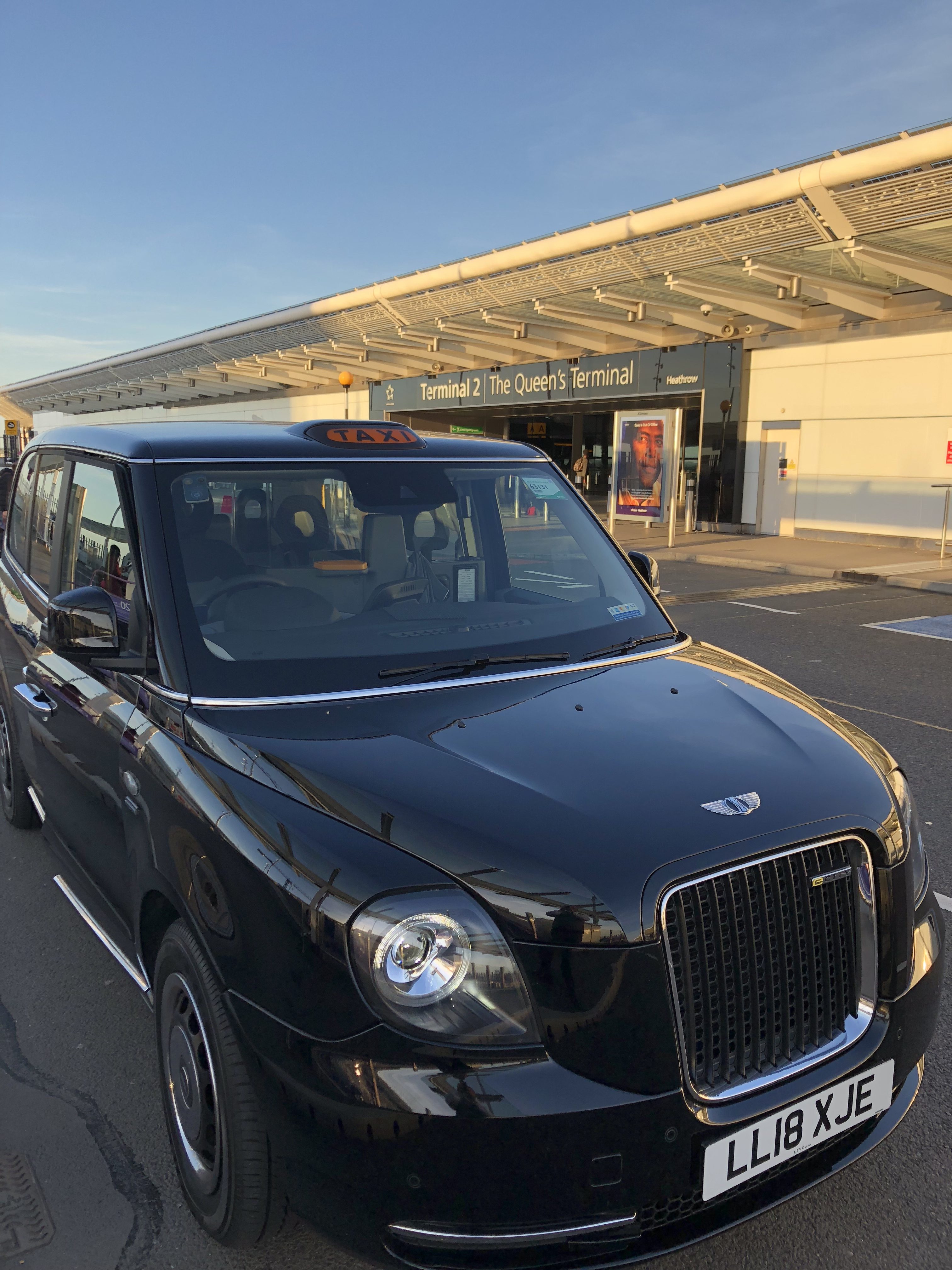
Taxi drivers currently pay Heathrow Airport and London City Airport fees when they pick-up and drop-off passengers at either airport. The fees are set by the airports and paid to them.
TfL does not have involvement in setting these fees, we do not receive any income from them and we do not decide if London taxi drivers are charged them.
However, we do decide whether taxi drivers can add these extra charges to the metered fare to cover part or all of the fees. We’ve explained the current arrangements in this section.
Changes in airport drop-off fees
Heathrow Airport Limited (HAL) is planning to increase the drop-off fee for London taxis, to £7.00 in 2027 (currently London taxis are charged £6.00).
London City Airport charge London taxi drivers £7.00 when dropping off at the terminal forecourt at the airport.
Extra charges can only be added to the taximeter in increments of 40 pence. Therefore, we could not allow a £7.00 extra, but we could allow £6.80 or £7.20 to be added to the taximeter.
Our proposals
We are proposing to:
- Increase the drop-off extra for Heathrow Airport to £6.80
- Increase the drop-off extra for London City Airport to £6.80
We do not intend to make any further increases to the extra charges for dropping off or picking up at Heathrow Airport or London City Airport for at least the next three years. This means that there will be no increase to the existing extra charges and no new airport extra charges (e.g. for picking up at London City Airport) for at least the next three years, outside of exceptional circumstances.
Decreases can however be implemented. This would mean that if Heathrow Airport or London City Airport increase the fees they charge taxi drivers then these increases would need to be covered by the taxi drivers and could not be added to the metered fare.
We are not proposing any change to the extra for picking up at Heathrow Airport. We are also not proposing to introduce a pick-up extra fee at London City Airport.
We’ve explained our rationale for these proposals in this section. We have also published a factsheet which expands on the summarised information on this page
To tell us your views, please click the button ‘Tell us your views’ at the top of the page.
Impacts & taxicard
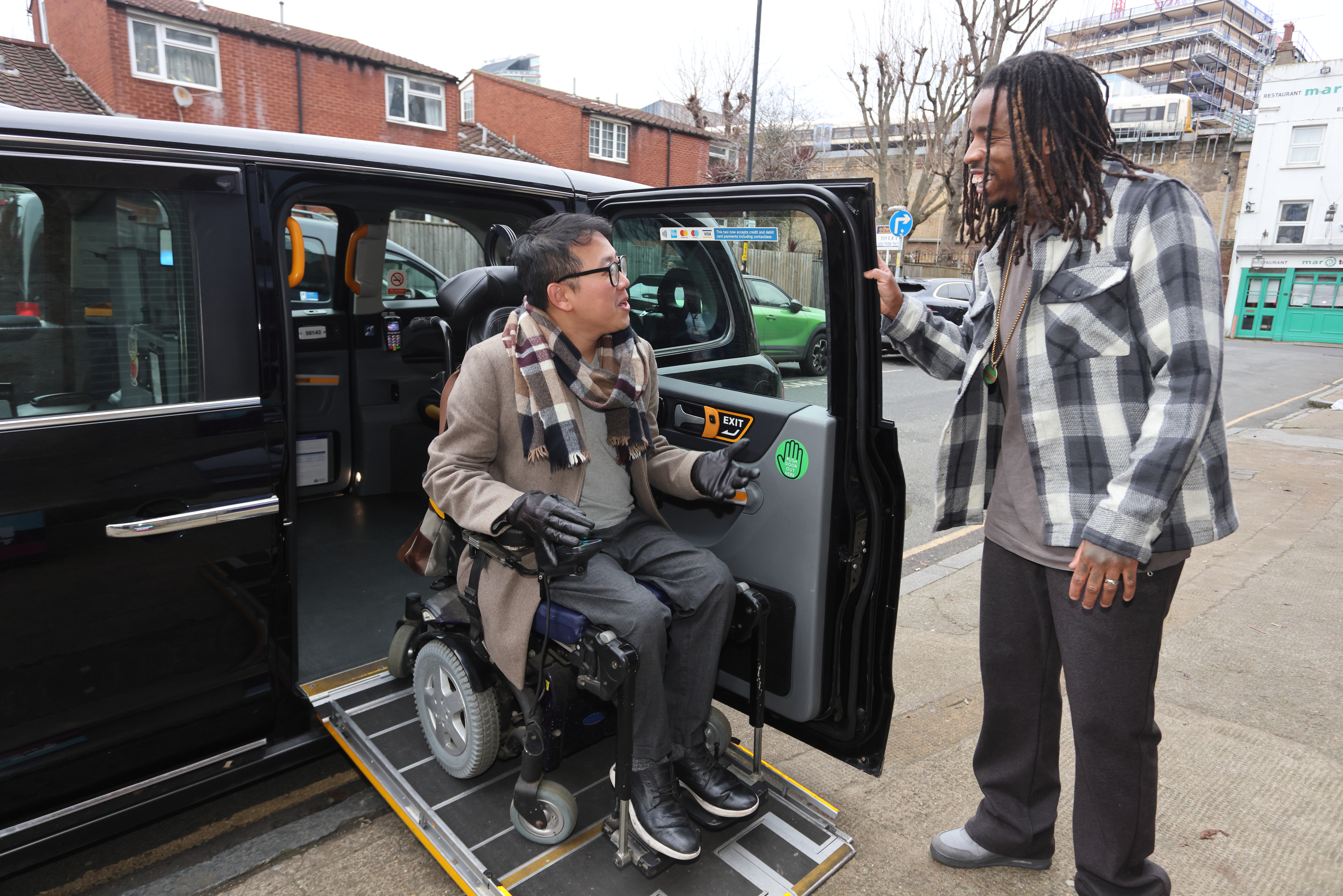
We have also published a factsheet which expands on the summarised information on this page.
To tell us your views please click the button ‘Tell us your views’ at the top of the page.
More information
In this section you can find more information about our proposals in order to help you respond. You can also use our question tool during the consultation period. We will respond to your questions as soon as we can. You can also contact us by email, via our telephone call back service (020 3054 6037) or in writing (FREEPOST TFL HAVE YOUR SAY).
Accessible information
We want to make sure everyone can take part in our consultations. To help make it accessible to everyone we have provided our consultation information in the following formats:
 British Sign Language
 Easy Read
 Audio files
Translation
You can also translate the information on this page into another language by using the ‘Select language’ button at the bottom of the page
British Sign Language
To further enhance how we consult with London's deaf community have provided British Sign Language (BSL) videos of our proposals and survey:
BSL video of our proposals
BSL video of our consultation survey
We are delighted to enable British Sign Language users to contact us using a British Sign Language video interpreter, via the Interpreters Live service, provided by Sign Solutions. Please click the image below to connect now:

Easy Read
Audio files
Tell us your views
You can reply by completing our survey, which should take no more than 10 minutes to complete or if you are short on time, you can submit a quick response.
 |  |
The closing date for comments is 22 November 2026.
Return to the top of the pageNext steps
Once our consultation has concluded on 22 November we will analyse and consider all of the points raised by respondents. Once we have done so we will publish a consultation report to demonstrate that we have considered every point raised and confirm our next steps.
Return to the top of the page